Space-Efficient Luxury Branding: Organizing Assets with the Towel Ladder Rack
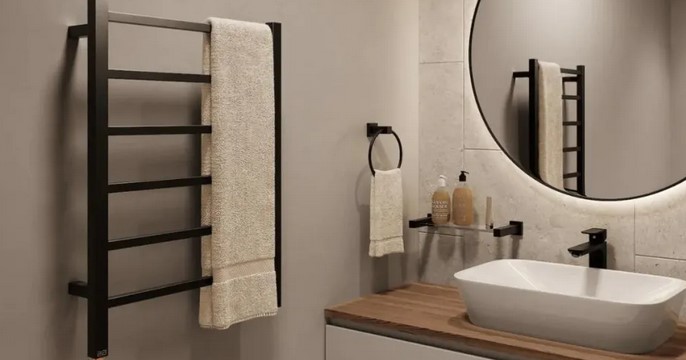
Source:https://i0.wp.com
You step out of a relaxing hot shower, steam clinging to the glass, only to realize your towel is a damp, crumpled heap on the floor or jammed onto a crowded metal hook that’s pulling out of the drywall. It’s a small friction point, but in the world of high-end residential design, these are the moments that break the “spa-like” spell of a home. In fact, a disorganized bathroom is often cited by homeowners as the number one source of morning stress.
In my fifteen years of consulting on residential renovations, I’ve seen people spend $20,000 on Italian marble only to ruin the aesthetic with cheap plastic suction hooks. When a client asks me how to add “functional soul” to a bathroom without drilling more holes into expensive tile, my secret weapon is the Towel Ladder Rack. It is a masterclass in vertical asset management, blending the casual elegance of a boutique hotel with the technical necessity of airflow and organization.
The Architecture of Vertical Utility
The primary challenge in modern bathroom design is “Footprint vs. Function.” We want the luxury of a freestanding tub and a double vanity, but we often run out of wall real estate for traditional horizontal bars. This is where the Towel Ladder Rack excels. It utilizes the “dead air” above the floor, leaning against the wall to provide multiple tiers of storage in a fraction of the space.
I remember a project in a historic brownstone where the bathroom walls were original lath and plaster—notoriously difficult to drill into without causing massive cracks. We skipped the traditional hardware and leaned a custom-built walnut ladder against the wall. The transformation was instant. It didn’t just hold towels; it became a piece of “sculptural furniture” that anchored the room.
Think of a towel ladder like the “bookshelf” of your linen collection. Just as a bookshelf organizes your knowledge vertically to save floor space, the ladder rack stacks your textiles, allowing them to breathe while remaining within arm’s reach.
Engineering the Lean: Technical Specs for Stability
While it looks like a simple ladder, a professional-grade Towel Ladder Rack requires specific engineering to be both safe and efficient in a high-moisture environment.
1. Materiality and Moisture Resistance
Bathrooms are essentially tropical microclimates. If you use a ladder made of untreated pine, it will warp and grow mildew within six months.
-
Hardwoods: Teak, Cedar, and Acacia are the gold standards because they contain natural oils that repel water.
-
Powder-Coated Steel: If you prefer a modern “Executive” look, matte black or brushed gold steel offers high-tensile strength and zero risk of rot.
-
Anti-Slip Footing: A technical must-have. High-end ladders feature silicone or rubberized feet to prevent “kick-out” on wet porcelain tiles.
2. Airflow and “The Drying Gap”
The technical reason a ladder is superior to a hook is Evaporative Surface Area. When a towel is bunched on a hook, the interior remains damp, leading to the growth of Brevibacterium (that sour towel smell).
-
The 3-Inch Rule: A well-designed Towel Ladder Rack should have rungs spaced at least 8 to 10 inches apart vertically, with a slight “lean angle” that allows air to circulate between the layers of fabric.
3. Essential LSI Keywords to Know:
-
Verticality: The use of upward space to maximize a small footprint.
-
Tension-Mount: A type of ladder that wedges between the floor and ceiling.
-
Moisture-Wicking: The ability of the material to allow water to evaporate.
-
Aesthetic Cohesion: Ensuring the rack matches the faucets and hardware of the room.
Mastering the “Leaning” Look: Expert Tips for Newcomers
If you’re a beginner looking to implement this “Luxury Branding” in your own home, placement is everything. You aren’t just “leaning a stick against a wall”; you are creating a focal point.
-
The 15-Degree Lean: For maximum stability, the base of the ladder should be roughly 12 to 15 inches away from the wall. Too close, and it’s unstable; too far, and it eats up too much floor space.
-
Weight Distribution: Always place your heaviest, plush bath sheets on the bottom rungs. Use the top rungs for lighter hand towels or even a hanging eucalyptus bundle for that high-end spa scent.
-
Wall Anchoring: In households with small children or pets, I always install a “hidden” safety strap. A small, clear adhesive loop or a single discreet screw behind the top rung ensures the ladder won’t tip over if someone grabs a towel too aggressively.
Expert Advice: The “Hidden Warning” of Wall Discoloration
Pro Tip: The Steam-Seal Trap
I’ve seen beautiful wood ladders leave permanent “tannin stains” on white painted walls because of the constant cycle of steam and drying.
Peringatan Tersembunyi (Hidden Warning): If your ladder doesn’t have rubber bumpers at the contact points (where the top of the ladder touches the wall), the moisture from the wet towels will eventually “wick” into the wall paint, causing peeling or dark spots. The Solution: Always stick small, clear felt or silicone pads on the back of the ladder’s top rails. This creates a tiny 1/8-inch “air gap” that protects your paint and prevents moisture traps.
The ROI of Bathroom Branding
In high-end real estate, we focus on “Emotional Equity.” When a potential buyer walks into a bathroom and sees a beautifully draped Towel Ladder Rack, they don’t just see a rack; they see a lifestyle. It signals that the home is organized, thoughtfully designed, and focused on wellness.
It is one of the few home improvements that offers a 100% utility return from day one. It requires zero demolition, zero specialized tools, and can be moved if you decide to rearrange your space. It is the definition of “Low-Impact, High-Reward” renovation.
Analogy: The Display Mannequin
Think of your bathroom like a high-end fashion boutique. A pile of shirts on a table (towels on a shelf) looks messy and devalues the product. But a shirt placed on a mannequin (the towel ladder) looks intentional and premium. The Towel Ladder Rack is the mannequin for your linens—it gives them shape, displays their texture, and makes them feel like a curated part of your “Residential Brand.”
Maintenance: Keeping the Shine
-
Monthly Wipe-Down: Even the best wood can develop a film from hairspray or soap particulates in the air. Wipe the rungs with a damp microfiber cloth once a month.
-
Oil Treatment: If you have a teak or cedar ladder, apply a light coat of food-grade mineral oil once a year to keep the wood from getting “thirsty” and cracking in the dry winter air.
-
Check the Feet: Ensure the rubber grips haven’t gathered hair or dust, which can make them slippery on tile.
Luxury isn’t always about the size of the room; it’s about the quality of the interaction within it. By integrating a Towel Ladder Rack, you are solving a practical problem with an elegant, space-efficient solution. You are organizing your personal assets in a way that feels curated rather than cluttered.
It’s time to get your towels off the floor and into the spotlight. Your morning routine—and your home’s value—will thank you.
Is your bathroom feeling a bit cramped, or are you struggling to find a place for those oversized plush bath sheets? I’ve helped homeowners fit luxury storage into the tightest of powder rooms. If you’re worried about your wall material or floor grip, I can help you select the perfect material to match your existing fixtures. Would you like me to create a “Bathroom Asset Layout” to see where a ladder rack would best fit in your current floor plan?