Critical Hazard Detection: Hardening Facilities with the Gas Leak Alarm
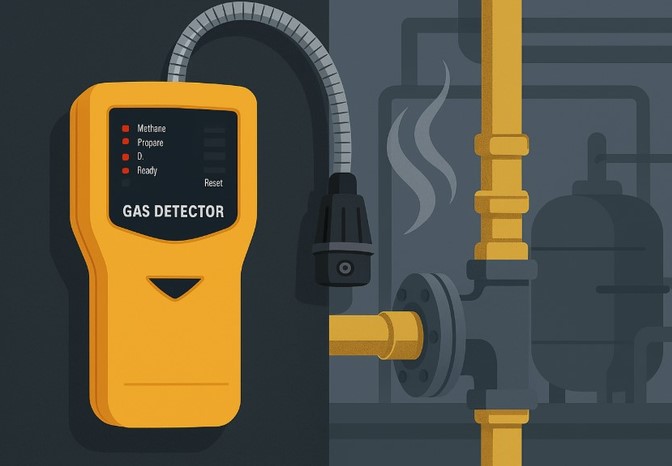
Source:https://comet-integrated.com
I was standing in the utility room of a century-old brick duplex, prepping the walls for a modern tankless water heater installation. As I leaned down near the old cast-iron gas meter, a faint, sweet, rotten-egg smell hit me. It was incredibly subtle—the kind of smell most homeowners pass off as a temporary sewer draft or a dirty trash can. I pulled my combustible gas detector from my tool vest, and the digital display instantly spiked into the danger zone. A slow, steady leak had been weeping from a corroded black iron pipe joint right under the floorboards for months.
In my 10+ years of managing home restorations and facility upgrades, I’ve realized that we focus heavily on visible home improvements—like fresh paint, premium countertops, and structural framing. But the most critical layer of any property upgrade is hardening its invisible defense matrix. When dealing with combustible utilities like natural gas or liquid propane ($LP$), you are working with silent, volatile forces. To protect your structural assets and your family, integrating a specialized gas leak alarm into your infrastructure is a non-negotiable safety milestone.
The Invisible Threat: Why Your Nose Isn’t Enough
Many beginner property owners assume that because utility companies inject a pungent odorant called mercaptan into natural gas to make it smell like sulfur, they will easily catch a leak before it becomes dangerous. However, depending entirely on your sense of smell is a dangerous gamble.
Think of gas molecules like invisible, highly energetic ghosts moving through your home. If a leak occurs behind a drywall patch, inside a dropped ceiling, or down in a crawlspace, those molecules can pool and reach critical density long before the smell ever drifts into your living room. Furthermore, a phenomenon known as odor fade can occur when mercaptan is stripped from the gas stream by passing through reactive materials like new concrete, damp drywall, or unlined iron pipes.
   [ Gas Leak Source ]
            │
            ▼
   (Molecules Disperse)
     /             \
    ▼               ▼
 [Ceiling Pooling]  [Floor Level Pooling]  ◄── (Dependent on Gas Density)
        │                   │
        ▼                   ▼
 ┌─────────────────────────────────────┐
 │    Targeted Gas Leak Alarm Sensor   │   ◄── (Triggers Piezoelectric Siren)
 └─────────────────────────────────────┘
A dedicated gas leak alarm acts like an electronic bloodhound that never sleeps or loses its sense of smell. It constantly samples the chemical composition of the air, detecting microscopic gas concentrations long before they reach the Lower Explosive Limit (LEL)—the minimum concentration at which a gas can ignite in the presence of air and a spark.
Decoding Sensor Technology: Catalytic Bead vs. Metal Oxide Semiconductor
When you begin shopping for a reliable gas leak alarm, you will encounter two primary types of sensing technologies. For intermediate users looking to build a bulletproof facility, matching the right sensor to your environmental conditions is essential.
| Sensor Technology | Internal Chemical Mechanism | Power Requirements | Best Suited For |
| Catalytic Bead (Pellistor) | Burns tiny amounts of gas on a heated coil to measure temperature spikes | High continuous current draw; usually requires AC plug-in | Areas with high concentrations of combustible gases; utility closets |
| Metal Oxide Semiconductor (MOS) | Measures changes in electrical resistance when gas hits a heated metal film | Medium current draw; often features battery backup options | Residential spaces, kitchens, and multi-gas combination zones |
The Chemistry of Detection
A MOS sensor utilizes a tiny ceramic pill coated with tin dioxide ($SnO_2$). In clean air, oxygen molecules lock onto the surface, creating a high-resistance barrier to electrical current. The moment a combustible hydrocarbon molecule—like methane ($CH_4$) or propane ($C_3H_8$)—strikes the heated sensor surface, it strips away the oxygen, dropping the electrical resistance instantly. The internal microprocessor notes this electrical drop and immediately fires the alarm.
Dual-Target Protection
If you are upgrading an older facility, look for hybrid models that combine a gas leak alarm with a carbon monoxide (CO) detector. While natural gas is an explosion hazard, carbon monoxide is a toxic byproduct of incomplete combustion from faulty furnaces or blocked chimneys. Having a system that monitors both chemical threats ensures comprehensive atmosphere safety.
Pro-Tips for Strategic Placement and Specific Gravity Dynamics
Over a decade on jobsites has taught me that the physics of gas movement dictate exactly where your alarms must be mounted. Installing a safety device in the wrong location renders it completely useless.
💡 Pro-Tip: The Specific Gravity Blueprint
Before mounting your gas leak alarm, you must identify exactly what type of fuel your facility uses. Natural gas is lighter than air (specific gravity of ~0.60), meaning it rises rapidly and pools near the ceiling. If you use natural gas, mount your alarm 6 to 12 inches below the ceiling. Conversely, Liquid Propane ($LP$) is heavier than air (specific gravity of ~1.50) and sinks into low pockets. If your facility runs on propane, mount your alarm 6 to 12 inches above the floor.
Avoiding the “Dead Air” Zone
When mounting an alarm near the ceiling, never install it directly in the corner where the wall meets the ceiling. Corners create a pocket of stagnant, “dead air” where normal air currents cannot circulate freely. Always shift the unit at least 4 to 6 inches away from any intersecting corners to ensure the sensor receives active airflow samples.
Common Installation and Maintenance Blunders
Even the highest-grade industrial safety hardware can fail if you overlook basic environmental and chemical variables.
-
The False-Alarm Splash Zone: Never mount a gas leak alarm directly above or within 5 feet of a cooking stove, oven, or sink. High concentrations of cooking oil vapors, aerosolized cleaning sprays, and intense steam can coat the delicate metal oxide sensor film, leading to frustrating false alarms or desensitizing the element over time.
-
Neglecting the Calibration Shelf-Life: Unlike traditional smoke detectors that can last up to a decade, the chemical sensing elements inside gas alarms degrade much faster under continuous heat. Most units have a strict operational lifespan of 5 to 7 years. Look for a device with an explicit end-of-life signal, and write the expiration date clearly on the casing with a permanent marker on day one.
-
Silencing the Silicone Contamination: Silicone vapors are the ultimate silent killers for catalytic bead sensors. If you are sealing new plumbing lines or trim work near your alarm using standard silicone caulk, unplug the alarm until the sealant has cured completely. Silicone molecules permanently coat the active beads, rendering them blind to real gas leaks.
Hardening Your Facility for Lasting Peace of Mind
Upgrading your property infrastructure with a high-performance gas leak alarm system is an investment that transcends simple aesthetics. It provides an absolute baseline of safety that ensures your structural investments, your livelihood, and your loved ones are completely protected against invisible hazards. By respecting the chemical behavior of different fuel gases, utilizing correct elevation placement, and keeping a strict maintenance schedule, you achieve true operational security.
What type of fuel heating or gas appliances run your home infrastructure, and when was the last time you checked your utility room for atmospheric safety? Let’s map out your facility’s safety defenses and answer your layout questions in the comments section below!