High-Impact Budget Optimization: Modernizing Space with Inexpensive Lighting Fix
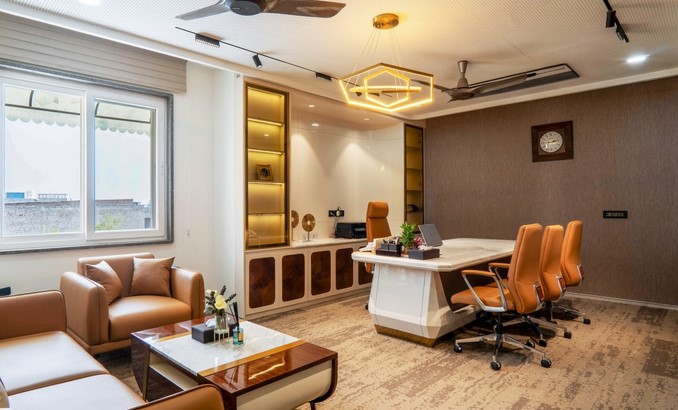
Source:https://media.licdn.com
I once walked into a client’s living room that had $20,000 worth of Italian leather furniture and custom cabinetry, yet it felt like a cold, sterile hospital waiting room. The culprit? A single, high-wattage “boob light” in the center of the ceiling casting harsh, unflattering shadows. They were ready to rip out the flooring to “change the vibe,” but I stopped them.
After a $150 lighting intervention, the room transformed from a flat, uninviting box into a cozy, high-end sanctuary. In my ten years of swinging hammers and refining interiors, I’ve learned one universal truth: lighting is the “makeup” of architecture. You can have the best bones in the world, but if the lighting is bad, the whole look fails.
Modernizing your home doesn’t require a second mortgage. Often, the most inexpensive lighting fix is the one that offers the highest return on investment (ROI) for your home’s aesthetic and value.
The Psychology of Illumination: Why Lighting Matters
Before we dive into the hardware, we need to understand the “why.” Most homeowners approach lighting as a utility—something to help them not trip over the dog. Professionals view it as Atmospheric Layering.
Think of your room like a stage play. If every light is turned up to 100%, there is no drama, no focus, and no comfort. By using a strategic inexpensive lighting fix, we introduce contrast. Contrast creates depth, and depth is what makes a space feel “expensive.”
The Three Layers of Light
To master your home’s environment, you must balance these three tiers:
-
Ambient Lighting: The general illumination (your “base coat”).
-
Task Lighting: Focused light for reading or cooking.
-
Accent Lighting: The “jewelry” that highlights art or architecture.
1. Swapping Outdated Fixtures: The $50 Transformation
The most common eyesore in modern homes is the “contractor-grade” fixture. These are the cheap, mass-produced lights builders buy in bulk. Replacing a dated, gold-trimmed flush mount with a matte black or brushed nickel semi-flush mount is an inexpensive lighting fix that takes less than 30 minutes.
Choosing the Right Color Temperature
This is where most DIYers fail. They buy a beautiful fixture but put a “Daylight” (5000K) bulb in it, making their living room look like a gas station parking lot.
-
2700K – 3000K (Warm White): Best for living rooms and bedrooms. It mimics the glow of a sunset or candlelight.
-
3500K – 4100K (Cool White): Best for kitchens and workspaces where precision is key.
-
5000K+ (Daylight): Avoid this for residential interiors unless it’s a basement workshop.
Pro Tip: Look for bulbs with a high CRI (Color Rendering Index) of 90 or above. This ensures that the colors of your rugs, paint, and skin tones look vibrant and true, rather than muddy.
2. The Magic of Dimmer Switches
If you asked me for the single most effective inexpensive lighting fix in the world, I would say the Dimmer Switch.
An on/off switch is binary—it’s boring. A dimmer allows you to control the mood of the room based on the time of day. Installing a modern dimmer (compatible with LED bulbs) costs about $15–$25 and instantly upgrades the “luxury feel” of any room.
Expert Warning: Not all LED bulbs are dimmable. Always check the packaging. If you put a non-dimmable LED on a dimmer circuit, you’ll be treated to a rhythmic buzzing or flickering that will drive you crazy within ten minutes.
3. Under-Cabinet Lighting: The Kitchen Game Changer
Kitchens are often the most expensive rooms to renovate, but you can fake a high-end gourmet look with LED light strips.
In the old days, under-cabinet lighting required a licensed electrician and cutting into your drywall. Today, you can buy USB-rechargeable or plug-in LED strips for under $30.
-
The Impact: It eliminates the shadows cast by your upper cabinets onto your countertops.
-
The Aesthetic: It provides a beautiful “wash” of light that makes your backsplashes pop.
-
The Fix: Use “peel-and-stick” channels to hide the strips so the light source is invisible, leaving only the glow.
4. Layering with Floor and Table Lamps
If your room feels “flat,” it’s likely because all your light is coming from the ceiling. This is what I call “Top-Down Fatigue.” To fix this, you need to bring the light down to eye level.
An inexpensive lighting fix involves sourcing unique lamps from thrift stores or clearance aisles and unifying them with matching shades.
-
Analogies: If ceiling lights are the “sun,” lamps are the “fireplaces.” They create pockets of warmth that draw people in.
-
Placement: Place a floor lamp in a dark corner to visually expand the room’s square footage.
5. Wireless Wall Sconces (The “No-Wire” Hack)
Wall sconces add an incredible amount of architectural interest, but many people avoid them because they don’t want to hire an electrician to run wires through the studs.
The “Magic Bulb” Hack:
-
Buy a hardwired wall sconce that you love.
-
Mount it to the wall using regular screws (ignore the electrical wires).
-
Use a battery-operated puck light with a remote control instead of a traditional bulb.
-
Voila! You have a high-end, designer look for the cost of the fixture and some AA batteries.
Technical Checklist for your Lighting Upgrade
To ensure your inexpensive lighting fix doesn’t turn into a technical headache, follow this quick reference table:
| Upgrade Type | Average Cost | Difficulty (1-5) | Impact Level |
| Dimmer Switch | $20 | 2 | High |
| LED Strip Lights | $30 | 1 | High |
| Puck Light Sconces | $40 | 1 | Medium |
| New Flush Mount | $60 | 3 | High |
| Smart Bulbs | $15/each | 1 | Medium |
Common Pitfalls to Avoid
In my decade of experience, I’ve seen many well-intentioned DIY projects go south. Here is how to keep your home safe and stylish:
-
Over-Lighting: Not every corner needs to be bright. Shadows are your friend; they create texture.
-
Ignoring the “Glar”: If you can see the bare bulb from your seated position, the light is too low or the shade is too small. This causes eye strain.
-
Mixing Temperatures: Never mix a 2700K bulb and a 5000K bulb in the same room. It creates a visual “vibration” that feels chaotic.
Final Thoughts: Light is the Ultimate Budget Hack
You don’t need a sledgehammer to modernize your home. You don’t even need a massive savings account. By focusing on the inexpensive lighting fix, you are manipulating how the eye perceives every other object in the room.
Start with one room—perhaps the kitchen or the master bedroom. Install a dimmer, swap that dusty “boob light” for something sleek, and add a layer of warmth at eye level. I guarantee you’ll see your home in a literal new light.
Which room in your house feels the “coldest” or most uninviting right now? Let’s discuss your specific layout in the comments below, and I’ll help you pick the perfect lighting strategy to warm it up!