Industrial Tool Management: Preserving Equipment with the Tool Chest Liner
October 15, 2026
No Comments
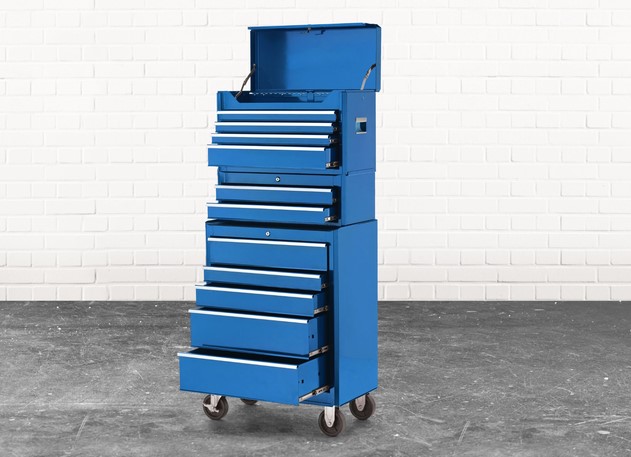
Source:https://s3.us-east-2.amazonaws.com
Imagine opening a heavy-duty steel tool cabinet drawer to grab a $250 precision torque wrench or a polished set of chrome-vanadium sockets, only to hear them slam, slide, and scrape against bare metal. You lift the tool and spot it: a chipped chrome finish, a gouged calibration collar, or worse, a patch of reddish-orange surface rust clinging to the underside.
In my ten-plus years of managing industrial workshops and setting up custom garage builds, I have seen thousands of dollars worth of premium hand tools slowly destroyed by a single omitted detail. Homeowners and apprentice mechanics regularly invest heavily in professional cabinets, yet leave the bare steel bottoms completely unshielded.
Installing a high-density tool chest liner is not just an aesthetic touch—it is an essential engineering barrier that absorbs mechanical vibration, halts chemical corrosion, and stabilizes your tool inventory for decades.
The Hidden Physics of Drawer Storage: Why Every Drawer Needs a Tool Chest Liner
When you open and close a heavy tool drawer, acceleration and inertia exert significant forces on unanchored hand tools. Without a high-friction barrier, tools slide across the powder-coated or painted steel surface, leading to paint chipping, edge dulling, and miscalibration of sensitive measuring instruments.
Think of a bare steel drawer as an unpaved, pothole-riddled road and your precision equipment as high-performance sports cars. Driving across that rough surface without shock absorbers eventually destroys the chassis; similarly, sliding tools across bare metal without a tool chest liner gradually degrades their structural and operational tolerances.
 [ Sliding Tool / Force ] ──► ──►
─────────────────────────────────
  [ High-Friction Top Texture ]  ◄── Prevents Sliding & Collision
─────────────────────────────────
  [ High-Density Foam Core ]     ◄── Absorbs Impact & Dampens Vibration
─────────────────────────────────
  [ Non-Porous Base Layer ]     ◄── Blocks Moisture Traps & Chemical Spills
─────────────────────────────────
 [ Cold Steel Drawer Bottom ]
A quality liner provides three core functional mechanics:
-
Vibration Damping and Impact Cushioning: Absorbs kinetic energy when drawers slam shut, preventing hard metal-on-metal impacts that cause micro-fractures in cutting edges.
-
Friction Stabilization: High-tack surface textures lock heavy sockets, wrenches, and ratchets into position, maintaining organized modular storage layouts.
-
Chemical and Fluid Retention: Acts as a containment barrier against residual cutting oils, grease, and solvents that would otherwise pool and strip paint off the drawer bed.
Material Science: Choosing the Right Tool Chest Liner Material
Not all liner rolls sold at hardware outlets are constructed equally. Selecting the wrong material density or backing can lead to deteriorating foam, chemical off-gassing, or trapped moisture under your tool sets.
1. Solid EVA (Ethylene-Vinyl Acetate)
EVA foam is the gold standard for modern industrial drawers. It is dense, non-porous, exceptionally durable, and completely impervious to oils, gas, and workshop fluids. It lies perfectly flat without curling at the corners and provides a firm, cushioned base.
2. Nitrile Rubber (NBR)
Engineered specifically for heavy automotive environments, Nitrile rubber offers unmatched oil and solvent resistance. It can handle heavy impacts from cast iron hammers and heavy air tools without tearing or compressing permanently.
3. VCI (Vapor Corrosion Inhibitor) Infused Liners
VCI-infused liners slowly emit an odorless, invisible corrosion-inhibiting vapor within the enclosed drawer micro-climate. This vapor forms a microscopic protective layer on raw metal surfaces, actively neutralizing oxygen and moisture to prevent rust formulation.
4. Open-Mesh PVC Webbed Liners
Commonly found in budget multi-packs, open-mesh PVC liners offer basic non-slip properties for light household tools. However, they lack solid fluid barriers, allowing dirt, metal shavings, and liquids to drop straight through onto the steel drawer surface below.
Material Performance Comparison: Selecting Your Tool Chest Liner
Selecting the right material configuration requires balancing impact absorption, chemical defense, and long-term durability.
| Performance Metric | Solid EVA Foam | Nitrile Rubber (NBR) | VCI-Infused Foam | Open-Mesh PVC |
| Impact Cushioning | High | Extreme | Moderate | Low |
| Chemical & Oil Defense | Exceptional | Superior | Moderate | Poor |
| Rust Prevention | High (Non-Porous) | High (Waterproof) | Maximum (Chemical VCI) | Low (Traps Debris) |
| Tear Resistance | High | Extreme | Moderate | Low |
| Expected Service Life | 10 – 15 Years | 15+ Years | 3 – 5 Years (VCI Active) | 1 – 3 Years |
Fighting the Silent Killer: How a Tool Chest Liner Stops Drawer Corrosion
One of the most surprising insights I share with clients during workshop audits is that steel tool chests naturally create their own micro-climates. As garage or workshop temperatures fluctuate between cold nights and warm days, cold steel drawers act as thermal sinks.
Ambient air inside an enclosed drawer cools rapidly, causing airborne moisture to condense on cold surfaces—particularly underneath flat steel tools resting on bare metal beds.
-
Thermal Decoupling: A solid-density tool chest liner creates a thermal break between the cold steel drawer bottom and your steel hand tools.
-
Eliminating Moisture Traps: By lifting the tool off raw steel and sealing out ambient condensation, you eliminate the static moisture pockets where pitting rust forms.
Step-by-Step Installation: Custom Fitting Your Tool Chest Liner
Installing a tool chest liner properly requires attention to detail to ensure seamless edges, no bunching, and maximum coverage.
┌─────────────────────────────────────────────────────────┐
│               LINER INSTALLATION STEPS                  │
└─────────────────────────────────────────────────────────┘
  1. Empty drawer completely and wipe clean with degreaser.
  2. Measure drawer interior dimensions (Length x Width).
  3. Unroll liner material on a flat cutting table.
  4. Mark layout lines using a steel square and fine marker.
  5. Slice cleanly with a fresh utility knife blade.
  6. Lay liner flat into drawer; press from center outward.
Taking time to degrease the drawer interior with isopropyl alcohol before laying down your liner prevents residual factory oils from breaking down the bottom face of synthetic rubber or foam over time.
Expert Advice: Field Secrets and Hidden Pitfalls to Avoid
Over my career in tool management and shop engineering, I have gathered several critical guidelines that elevate a basic installation into a professional-grade setup.
1. Pro Tip: Shadow Your High-Value Precision Tools
If you own precision measuring gear like micrometers, dial indicators, or expensive torque wrenches, combine a solid bottom tool chest liner with a dual-density modular foam top layer. Cut precise outlines (“shadowing”) for each tool. This provides 360-degree impact protection and gives you an instant visual audit if a tool is missing at the end of the workday.
2. Pro Tip: Use Heavy Glass Cleaners to Uncurl Rolled Liners
Heavy EVA or rubber liners shipped tightly rolled in tubes can develop stubborn memory curl at the edges. Spray the steel drawer bed with a light mist of aerosol glass cleaner or water before laying the liner down. The liquid reduces initial surface friction, letting you slide the liner perfectly flush against all four corners before it dries firmly in place.
⚠️ The “Mesh Liner Trap” (Hidden Warning)
Avoid using cheap open-mesh PVC liners in drawers housing sharp drill bits, wood chisels, or metal cutting tools. Fine metal shavings, wood dust, and grinding swarf fall through the holes in the mesh and get trapped underneath.
When tools slide over the mesh, those trapped metal filings act like sandpaper against the drawer bed, grinding off protective paint and creating an invisible rust hotspot beneath the liner! Always choose a solid, non-mesh tool chest liner for cutting tools and heavy hardware.
Standardizing your shop storage with a professional-grade tool chest liner is a simple, cost-effective investment that yields immediate dividends in tool longevity, shop organization, and equipment protection. By choosing the right high-density material, precision-fitting each drawer, and keeping moisture at bay, you ensure your hand tools remain as sharp, accurate, and pristine as the day you bought them.
Are you currently organizing your garage workshop or looking for the best liner material for a new tool cabinet? Share your setup, questions, or storage challenges in the comments below—I would love to help you optimize your tool setup!