Mitigating Hydraulic Shock: System Protection via the Water Hammer Arrestor
October 20, 2026
No Comments
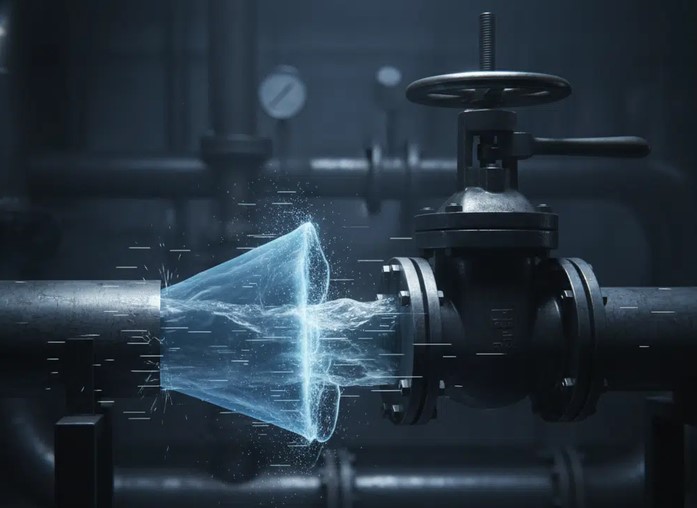
Source:https://janhenvalve.com
You are sitting quietly on the couch after a long day when the washing machine switches cycles. Suddenly, a violent BANG! echoes through the walls, sounding like someone just slammed a sledgehammer directly against your floor joists. You brush it off as an annoying quirk of an older home, but behind your drywall, every pipe in your plumbing network just shivered under an intense physical shockwave.
In my ten-plus years of responding to emergency plumbing calls, I have seen this exact scenario lead to catastrophic consequences: ruptured flex lines beneath sinks, cracked brass fittings, and pinhole leaks hidden inside wall cavities that rotted out structural studs over several months.
That violent noise is a phenomenon known in the trade as hydraulic shock, and left unaddressed, it acts as a ticking time bomb for your plumbing infrastructure. Fortunately, installing a precision-engineered water hammer arrestor is a straightforward, budget-friendly fix that neutralizes destructive shockwaves before they ruin your home.
Physics of the Bang: What Is Hydraulic Shock?
To understand why your pipes shake, you have to look at the physics of moving fluids. Water is virtually non-compressible. When you turn on a faucet or run an appliance, gallons of water flow through your copper, PEX, or CPVC supply lines at speeds of up to 8 feet per second under 40 to 60 PSI of static pressure.
Think of a column of water moving through your pipes like a fully loaded freight train rolling down the tracks at 60 miles per hour. When a modern solenoid valve inside a dishwasher, washing machine, or ice maker snaps shut in a fraction of a second, that moving column of water does not just stop peacefully.
It crashes violently into the closed valve seat. The kinetic energy of the moving fluid converts instantaneously into a pressure wave that rebounds backward through the pipe network at roughly 4,000 feet per second—spiking internal pipe pressure up to 300 or even 500 PSI!
      [ Moving Water Column ] ──► ──► ──►  (High Kinetic Energy)
                                                 │
                                                 ▼
      [ Fast-Closing Solenoid Valve ] ◄── SNAP SHUT!
                                                 │
                                                 ▼
  ◄── ◄── ◄── [ 500 PSI Pressure Shockwave Rebounds Back Through Pipes ]
This sudden pressure wave flexes copper solder joints, strains threaded fittings, and causes loose pipes to whip violently against wooden framing studs. Over time, this mechanical fatigue weakens every connection in your home.
How a Water Hammer Arrestor Works to Absorb the Shock
A water hammer arrestor is a specialized safety device designed to act as a permanent hydraulic shock absorber for your plumbing system.
 ┌──────────────────────────────────────┐
 │       Air / Nitrogen Chamber         │ ◄── Cushioning Gas (Pre-charged)
 ├──────────────────────────────────────┤
 │      Sealed Internal Piston          │ ◄── Moves Upward Under Pressure
 └──────────────────────────────────────┘
                   ▲
                   │  (Hydraulic Shock Wave Enters)
 ──────────────────┴────────────────────
      [ Water Supply Line Pipe ]
Unlike legacy plumbing methods that relied on temporary fixes, a modern water hammer arrestor features a sealed, heavy-duty brass cylinder housing a lubricated internal piston.
-
Pre-Charged Chamber: The top portion of the cylinder above the piston contains a factory-calibrated cushion of pressurized air or nitrogen gas.
-
Shock Absorption: When a fast-closing valve snaps shut and sends a pressure wave rushing through the line, the shock wave hits the bottom of the arrestor’s internal piston.
-
Energy Dissipation: The piston slides upward into the gas chamber, compressing the gas and harmlessly absorbing the kinetic energy of the water column.
-
Automatic Reset: Once the shock wave dissipates, the compressed air pushes the piston back down into its resting position, fully prepared for the next cycle.
Key Locations Where You Need a Water Hammer Arrestor
Not every fixture in your home creates hydraulic shock. Faucets that you turn off manually with a multi-rotation handle slow down the water column gradually, allowing kinetic energy to bleed off naturally. The real culprits are appliances that utilize automated, rapid-acting solenoid valves.
You should install a targeted water hammer arrestor at these high-risk junction points:
-
Washing Machine Supply Valves: Clothes washers use high-flow solenoid valves that open and shut dozens of times per wash cycle, making them the number one cause of home hydraulic shock.
-
Dishwasher Lines: Located under the kitchen sink, these fast-action valves send shockwaves straight into lightweight 3/8-inch flexible supply tubes.
-
Refrigerator Ice Makers & Water Dispensers: Micro-solenoids operate under high pressure and frequently trigger high-pitched clicking and pipe chatter inside narrow 1/4-inch supply lines.
-
Electronic Sensor Faucets: Motion-activated kitchen and bathroom faucets shut off instantly when hands are removed, creating repetitive low-level pressure spikes.
Water Hammer Arrestor vs. Legacy Air Chambers: Why Old Plumbing Code Failed
If your home was built prior to the late 1990s, your plumber might have installed capped vertical pipe nipples behind your walls—known as “air chambers”—to deaden pipe noise. Understanding why these legacy systems fail highlights why modern mechanical arrestors are superior.
| Feature | Modern Water Hammer Arrestor | Legacy Capped Air Chamber |
| Internal Design | Sealed Piston with Nitrogen Charge | Open Vertical Pipe Capped at Top |
| Waterlogging Risk | Zero (Gas and Water Permanently Separated) | Extremely High (Air Dissolves into Water) |
| Maintenance Needs | 100% Maintenance-Free | Requires Periodic System Draining |
| Code Compliance | Mandated by Modern UPC & IPC Codes | Phased Out / Prohibited in New Builds |
| Service Life | 10 to 15+ Years of Active Protection | Fails within 3 to 6 Months of Use |
Legacy air chambers fail because water naturally absorbs air under pressure over time. Within a few months of normal use, the trapped air bubble completely dissolves into the flowing water, turning the vertical pipe into a waterlogged dead end that offers zero shock absorption.
Sizing and PDI-WH201 Standards
When shopping for a water hammer arrestor, you will notice official certifications stamped on the body. The Plumbing and Drainage Institute (PDI) categorizes arrestors using the PDI-WH201 rating system, which sizes units based on the total fixture units (water volume demand) connected to the supply branch:
-
Size AA & A: Designed for residential applications (1 to 11 fixture units). These are standard 1/2-inch and 3/4-inch thread units ideal for washing machines, dishwashers, and single sinks.
-
Size B & C: Rated for commercial restrooms, laundry facilities, and large multi-fixture supply trunks (12 to 50 fixture units).
-
Size D, E, & F: Heavy industrial arrestors engineered for massive commercial boiler plants and municipal pumping stations.
For standard home improvement projects, choosing a PDI-certified Size A water hammer arrestor with direct-connect hose threads or push-to-connect (SharkBite/PEX) fittings ensures full code compliance and effortless installation.
Expert Advice: Trade Secrets and Critical Pitfalls
Over my decade in the field troubleshooting stubborn plumbing noises, I have documented several crucial installation principles that make the difference between silent pipes and ongoing structural damage.
1. Pro Tip: Mount as Close to the Problem Valve as Possible
A water hammer arrestor works best when installed as close to the fast-closing valve as physically possible. Mounting an arrestor 20 feet away down in the basement will not protect the immediate branch line behind your washing machine. For clothes washers, thread a pair of inline hose-thread arrestors directly onto the hot and cold hose bibs at the wall box, then connect your rubber supply hoses directly to the arrestors.
2. Pro Tip: Check Your Main Home Static Water Pressure
An arrestor is designed to absorb momentary dynamic shock spikes, not cope with excessively high baseline static pressure. If your municipal water main delivers static pressure above 80 PSI into your home, your pressure-reducing valve (PRV) may have failed. High baseline pressure forces the internal piston of an arrestor into a partially compressed state, drastically reducing its shock absorption capacity.
⚠️ Hidden Warning: Don’t Confuse Hydraulic Shock with Loose Pipe Strapping
Before buying hardware, perform a quick diagnostic test. If your pipes rattle when someone flushes a toilet or runs a bathtub slowly, you are likely dealing with loose pipe strapping or thermal expansion—not true hydraulic shock.
Hydraulic shock produces a single, sharp, metallic thud immediately following the closure of an automated valve. If your pipes are simply loose, secure them to wooden joists using insulated plastic suspension clamps rather than metal plumber’s tape, which transmits sound directly into wall framing.
Protecting your home from hydraulic shock does not require a costly plumbing overhaul or specialized engineering skills. By installing a high-quality water hammer arrestor at key appliance junctions, you instantly neutralize destructive pressure spikes, safeguard your pipe joints from premature failure, and restore peace and quiet to your living space.
Have you been dealing with loud pipe banging behind your walls, or are you preparing to install new laundry appliances? Share your plumbing setup, questions, or troubleshooting experiences in the comments below—I would love to help you quiet your system!