Industrial Facility Cleansing: Scaling Efficiency with the Wet Dry Vac
November 10, 2026
No Comments
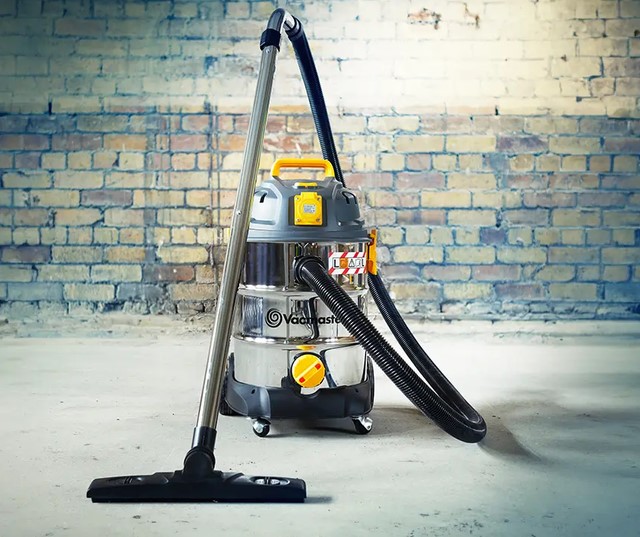
Source:https://ie.cleva.com
I still remember stepping into a client’s newly expanded woodworking shop on a Monday morning after a burst pipe had flooded their main assembly room over the weekend. Standing water covered four inches of epoxy floor, soaking into piles of fine hardwood sawdust and create a toxic sludge that threatened to destroy hundreds of thousands of dollars in machinery.
The shop manager was panicked, holding a domestic household vacuum and a bundle of string mops. I pulled two heavy-duty industrial vacuums off my truck, flipped the heavy bypass motors on, and within ninety minutes, we had extracted over 120 gallons of slurry, cleared the drains, and prevented a catastrophic structural shutdown.
Maintaining commercial workshops, garages, or job sites requires gear built for extreme dual-phase debris management. Deploying a commercial-grade wet dry vac bridges the gap between everyday floor maintenance and emergency remediation, allowing you to scale facility cleanup with absolute precision.
The Dual-Phase Advantage: Why Household Vacuums Fail
To understand why shop vacuums exist, you have to look at motor mechanics and intake airflow paths. Domestic household vacuums rely on the ingested air stream to cool their internal motor windings. The second you suck up water, drywall dust, or metal shavings with a household unit, you either drown the electric motor or clog its porous paper filter within seconds.
Integrating a specialized wet dry vac solves this through a completely isolated bypass motor design. Intake air carrying slurry or concrete dust travels directly into a sealed collection drum, completely separated from the electric motor’s cooling airflow.
+-----------------------------------------------------------------------+
|                    VACUUM ARCHITECTURE COMPARISON                     |
+--------------------------+---------------------+----------------------+
| Technical Metric         | Standard Upright Vac| Commercial Wet Dry Vac|
+--------------------------+---------------------+----------------------+
| Motor Architecture       | Direct-Air Cooling  | Isolated Bypass Motor|
| Airflow Rate (CFM Range) | 50 – 80 CFM         | 110 – 180+ CFM       |
| Sealed Suction (Lift)    | 40 – 60 Inches      | 80 – 110+ Inches     |
| Slurry / Liquid Capacity | 0 Gallons (Fatal)   | 10 – 20+ Gallons     |
| Filtration Type          | Paper Bag / Sponge  | HEPA / Cartridge Foam|
+--------------------------+---------------------+----------------------+
Think of a standard domestic vacuum like a commuter sedan trying to haul five tons of wet gravel up a steep mountain highway—it simply isn’t engineered for that environment. A commercial shop vacuum operates like a heavy-duty dump truck equipped with a high-torque diesel engine, designed specifically to move massive physical volume without burning out.
Technical Metrics Demystified: CFM vs. Sealed Lift
When shopping for high-performance extraction equipment, manufacturers often plaster deceptive peak horsepower (HP) ratings across packaging. True commercial performance comes down to two critical physics metrics: Cubic Feet per Minute (CFM) and Sealed Lift (Water Lift).
Cubic Feet per Minute (CFM)
CFM measures the total volume of air moving through the hose diameter in one minute. High CFM numbers dictate how fast the vacuum can move large volumes of lightweight dry debris, such as table saw sawdust, wood shavings, and dry leaves.
-
Optimal Workshop Baseline: Look for a minimum of 120 to 150 CFM for effective dust collection on power tools.
Sealed Lift / Water Lift (Inches of Water)
Sealed lift measures the pure suction power generated when the intake hose is completely blocked. Expressed in inches of water, high suction lift determines the machine’s ability to pull heavy materials, such as standing water, dense sludge, metal filings, and wet gravel.
-
Optimal Liquid Extraction Baseline: Aim for 80 to 100+ inches of water lift for commercial facility remediation.
                  PERFORMANCE DYNAMICS
                           |
        /------------------+------------------\
       |                                     |
 [ High CFM ]                         [ High Sealed Lift ]
  ( Volume & Speed )                   ( Density & Weight )
       |                                     |
  Saws, Drywall Dust,                  Water Slurry, Mud,
  Sawdust & Shavings                   Gravel & Metal Shavings
Strategic Operation: Transitioning Between Wet and Dry Modes
Operating a wet dry vac efficiently requires understanding how internal components interact with different media states. Failing to swap internal filters when switching between wet and dry pickup ruins filters and destroys suction power.
Dry Debris Configuration Workflow
When picking up wood dust, masonry powder, or broken glass:
-
Install the High-Efficiency Cartridge Filter: Use a pleated HEPA or MERV-13 cartridge filter over the internal float cage to trap micro-particulates down to 0.3 microns.
-
Insert a Disposable Dust Bag: Line the drum with a heavy-duty fleece filter bag. The bag captures 90% of fine dust before it ever reaches the main cartridge, keeping airflow high and filter maintenance low.
Wet Liquid Extraction Configuration Workflow
When clearing flooded bays, drain backups, or washing slurry:
-
REMOVE the Paper Cartridge and Dust Bag: Never attempt liquid extraction with paper or fleece filters installed! Water saturates the paper fibers, collapsing the filter media and destroying motor airflow.
-
Install a Foam Sleeve / Wet Filter: Place a dedicated foam filter sleeve over the float cage to prevent large debris from splashing into the motor housing.
-
Inspect the Auto-Shutoff Float Mechanism: Ensure the internal ball or plastic float cup moves freely inside its cage. When liquid reaches maximum drum capacity, this float rises to seal the intake opening, preventing tank overflow.
Step-by-Step Facility Cleaning & Maintenance Workflow
To maximize machine longevity and maintain peak CFM throughput across heavy job site tasks, follow this structured operational protocol.
       [ STEP 1 ]             [ STEP 2 ]             [ STEP 3 ]             [ STEP 4 ]
+----------------------+   +--------------+   +----------------------+   +----------------------+
| Media Mode Check &   |-->| Intake Hose  |-->| Controlled Extraction|-->| Drum Drain, Rinse &  |
| Float Cage Audit     |   | Sizing Match |   | Pass Execution       |  | Open Air Drying      |
+----------------------+   +--------------+   +----------------------+   +----------------------+
Step 1: Pre-Operational Mode Verification
Verify whether your task requires wet or dry configuration. Check that the float ball moves smoothly and clear any caked dust from the cage.
Step 2: Hose and Nozzle Selection
Match hose diameter to your debris type:
-
1.25-Inch Hose: Ideal for high velocity on fine dust, detail car cleaning, and power tool dust extraction ports.
-
2.5-Inch Hose: Essential for large bulk debris, wood chips, leaves, and liquid extraction to prevent physical clogging.
Step 3: Executing Liquid Extraction Passes
When clearing standing liquid, submerge the wide squeegee nozzle halfway into the fluid. Allowing a small air gap at the nozzle lip maintains velocity and prevents fluid stalling inside the long hose run.
Step 4: Post-Cleansing Sanitation and Storage
Once liquid collection is complete, wheel the unit to a floor drain or utility sink. Use the built-in lower tank drain cap to empty fluid without lifting heavy drums. Rinse the interior drum thoroughly with fresh water and allow the tank to air-dry completely before re-installing paper dry filters.
Expert Advice: Critical Pitfalls and Pro Guidelines
Over a decade of managing shop environments and job site facilities has shown me how simple maintenance oversights degrade high-end equipment.
Hidden Warning: Never use a standard wet dry vac to pick up toxic soot, hot fireplace ash, or fine lead dust without a certified HEPA system! Fine combustion ash passes right through standard paper filters, blowing fine particulate matter back into your breathing zone and creating severe health risks.
Keep these core operational principles in mind throughout your workflow:
-
Avoid Overfilling Liquid Drums: Water weighs roughly 8.3 pounds per gallon. A 16-gallon vacuum filled to capacity weighs over 130 pounds, placing extreme stress on plastic caster wheels and your lower back if tipped manually. Use the bottom drain spout!
-
Static Dissipation Matters: When vacuuming dry fine wood dust continuously through plastic hoses, static electricity builds rapidly. Use anti-static grounded hoses to prevent unpleasant static shocks when touching metal tool bodies.
-
Clean Pleated Filters Reverse-Flow: Never scrape pleated paper filters with a wire brush or hard scraper to remove dust! Tap the end cap gently inside a trash bin, or blow compressed air from the inside out to clear embedded dust without tearing the media.
Troubleshooting Common Vacuum Operational Issues
If your commercial shop vacuum loses suction, makes high-pitched whining noises, or overheats unexpectedly, consult this quick troubleshooting reference matrix.
+---------------------------------------------------------------------------------+
|                        WET DRY VAC TROUBLESHOOTING GUIDE                        |
+----------------------+--------------------------+-------------------------------+
| Symptom Observed     | Underlying Cause         | Recommended Corrective Action |
+----------------------+--------------------------+-------------------------------+
| High-Pitch Whine &   | Float Ball Tripped /     | Empty liquid tank; reset float|
| Total Suction Loss   | Full Liquid Drum         | ball by cycling power off     |
| Weak Airflow (Low CFM)| Clogged Cartridge Filter /| Clean pleated filter media;   |
|                      | Hose Blockage            | clear obstruction in hose run |
| Dust Blowing Out     | Torn Filter Media /      | Replace cartridge filter;     |
| Exhaust Port         | Missing Cartridge Nut    | tighten top retaining nut     |
| Motor Overheating /  | Starved Airflow /        | Clear clogged intake hose;    |
| Thermal Cut-Out      | Wet Paper Filter Loaded  | remove saturated paper filter |
+----------------------+--------------------------+-------------------------------+
When diagnosing weak suction on long hose extensions, check the hose connection point at the tank inlet. Friction losses accumulate over long distances; keep hose runs under 15 feet whenever possible to maintain peak CFM velocity at the nozzle.
Maximize Facility Cleanliness and Safety
Integrating a commercial-grade wet dry vac into your workshop or facility maintenance arsenal is one of the most practical, high-value steps you can take to keep job sites clean, safe, and operational. By matching CFM and lift specs to your debris demands, maintaining proper wet/dry filter configurations, and practicing routine drum sanitation, you protect your air quality, floor finishes, and valuable power tools for years to come.
Are you currently outfitting a commercial workshop, or troubleshooting liquid extraction issues on your job site? Drop your questions, facility setup, or project challenges in the comments below—I’d love to help you optimize your cleaning workflow!