Automated Irrigation Precision: Resource Management via the Drip Emitter Set
October 5, 2026
No Comments
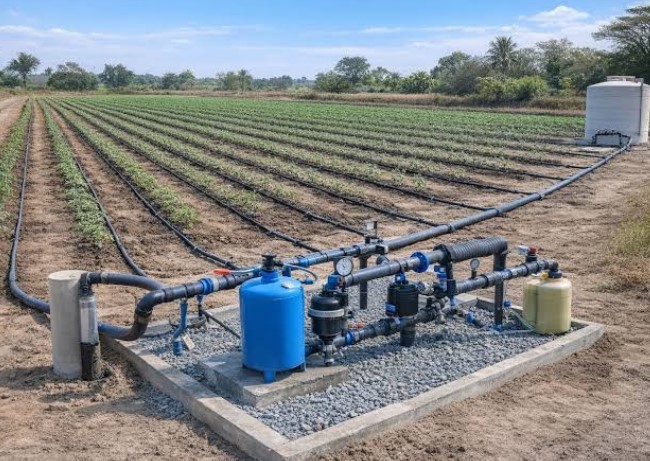
Source:https://encrypted-tbn0.gstatic.com
Imagine standing in your yard on a blistering 95°F August afternoon, watching a traditional oscillating sprinkler sweep back and forth. You notice nearly half of that mist evaporating into thin air before it ever touches a leaf, while rivers of runoff stream down your driveway. According to the Environmental Protection Agency (EPA), traditional outdoor irrigation systems waste up to 50% of applied water through evaporation, wind drift, and over-spraying non-vegetated surfaces.
In my more than ten years of engineering residential landscapes and sustainable water management systems, I have watched homeowners waste thousands of gallons of water—and hundreds of dollars on utility bills—trying to keep gardens alive with broadcast sprayers. The solution is remarkably simple: shifting from broad aerial spraying to targeted root-level delivery using a precision drip emitter set.
Anatomy of Precision: How a Drip Emitter Set Delivers Direct Hydration
A drip emitter set is a curated assembly of micro-irrigation components designed to meter out water drop by drop directly to a plant’s root zone. Rather than flooding an entire garden bed, this system converts high-pressure tap water into a slow, controlled release measured in gallons per hour (GPH) or liters per hour (LPH).
Think of traditional overhead sprinklers like dumping a five-gallon bucket of water over a person just to give them a quick drink. A drip emitter set, on the other hand, works like intravenous (IV) medical therapy—delivering exact, measured doses of nourishment directly into the plant’s structural lifeline with virtually zero loss.
 [ Main Supply Valve ] ──► [ Filter & Pressure Regulator ] ──► [ 1/2" Poly Mainline ]
                                                                     │
                                                                     ▼
 [ Plant Root Zone ] ◄── [ Drip Emitter Set ] ◄── [ 1/4" Micro-Tubing Line ]
By placing the emitter directly beneath the plant canopy, you unlock immediate structural benefits:
-
Eliminates Evaporation and Wind Drift: Water drip feeds into the soil surface beneath the mulch layer, completely shielding droplets from ambient heat and wind gusts.
-
Suppresses Weed Germination: Weed seeds lurking in bare, unplanted soil remain dry and dormant because water is confined exclusively to desired plant roots.
-
Prevents Foliar Fungal Diseases: Keeping foliage completely dry prevents common garden blights like powdery mildew, black spot, and leaf rust caused by wet foliage.
-
Saves Significant Utility Costs: Targeted delivery drops overall outdoor water usage by 30% to 60% compared to traditional spray heads.
Key Technical Variations within the Drip Emitter Set
Walk into any irrigation supply house, and you will see shelves packed with color-coded emitters. Choosing the right drip emitter set requires matching component physics to your slope, pressure, and plant types.
Pressure-Compensating (PC) vs. Non-Pressure-Compensating
In basic non-pressure-compensating emitters, water flow fluctuates wildly based on water pressure. Emitters closest to your outdoor spigot will pour water out, while those at the far end of a 50-foot line barely drop a trickle.
A professional drip emitter set features Pressure-Compensating (PC) internal diaphragms. These flexible silicone diaphragms flex under varying inlet pressures (typically between 10 to 50 PSI), ensuring that an emitter rated for 1.0 GPH delivers exactly 1.0 GPH whether it sits first or last on a line running up a steep hill.
Flow Rate Calibration (0.5 to 2.0 GPH)
Matching your emitter output to your soil type is crucial for preventing puddle pooling or deep water waste:
-
0.5 GPH (Low Flow): Ideal for heavy clay soils where water absorption is extremely slow, as well as delicate potted container plants.
-
1.0 GPH (Medium Flow): The industry standard benchmark for vegetable garden beds, shrubs, and perennial flowers in loamy soil.
-
2.0 GPH (High Flow): Best suited for sandy soils with rapid percolation rates, heavy-feeding fruit trees, and large established bushes.
Head-to-Head Comparison: Drip Emitter Set vs. Legacy Alternatives
Understanding how a precision micro-irrigation layout stacks up against older watering methods highlights why modern contractors insist on targeted drip setups.
| Performance Metric | Drip Emitter Set System | Traditional Overhead Sprinkler | Soaker Hose Line |
| Water Efficiency | High (90% – 95%) | Low (50% – 65%) | Moderate (70% – 75%) |
| Delivery Target | Exact Root Zone | Broad Aerial Sweep | Non-Uniform Line Strip |
| Pressure Tolerance | Regulated (PC Diaphragm) | High Pressure Required | Unregulated (Uneven Flow) |
| Weed Growth Defense | Exceptional | Poor (Waters Everything) | Moderate |
| Average Lifespan | 8 – 12+ Years | 5 – 8 Years | 1 – 3 Years (Clogs/Cracks) |
System Architecture: Assembling Your Control Head for Peak Reliability
A high-performing drip emitter set is only as good as the head assembly that regulates its supply pressure and water cleanliness. Never connect micro-tubing straight to a garden hose spigot without these essential safeguards.
┌─────────────────────────────────────────────────────────┐
│            THE HEAD ASSEMBLY SETUP ORDER                │
└─────────────────────────────────────────────────────────┘
  1. Hose Bib / Outdoor Spigot
  2. Vacuum Breaker (Backflow Preventer)
  3. Automated Digital Hose End Timer
  4. 120-Mesh T-Filter / Disc Filter
  5. 25-PSI Preset Pressure Regulator
  6. 1/2" Swivel Adapter to Poly Mainline
This assembly protects your home drinking water from siphon contamination while stepping down high residential water pressures (often 60–80 PSI) into a safe 25 PSI working range for fragile drip components.
Expert Advice: Trade Secrets and Critical Pitfalls
Over a decade of laying out thousands of feet of micro-tubing has taught me several field tricks that save hours of troubleshooting down the road.
1. Pro Tip: The “Group by Soil & Shade” Hydrozoning Method
Never put high-water vegetable crops on the same drip circuit as drought-tolerant succulents or established perennial shrubs. Group plants into distinct “hydrozones” with matching water requirements. Use a dedicated drip emitter set line for each zone, controlling them with a multi-station automatic timer to optimize moisture levels.
2. Pro Tip: Flush the Mainline Before Punching Emitters
When you lay out 1/2-inch polyethylene supply tubing, plastic shavings and fine garden dirt always find their way inside the pipe. Before punching holes and snapping in your drip emitter set, turn the hose bib on full blast and let water run out the open end for 60 seconds to flush all debris clear.
⚠️ Hidden Warning: The “No-Filter Clogging” Trap
The single leading cause of drip system failure is clogged micro-orifices. Even if your municipal water looks crystal clear, microscopic mineral scale and tiny sediment particles will stop an emitter cold within a single season. Always install a 120-mesh (130-micron) mesh or disc filter upstream of your emitters, and clean the filter screen at the start of every spring season.
Transitioning your outdoor landscape to automated micro-irrigation via a precision drip emitter set is one of the most rewarding home improvement upgrades you can make. By taking control of flow rates, matching water delivery to your specific soil chemistry, and eliminating atmospheric waste, you build a resilient garden that thrives with minimal manual effort.
Are you currently planning a garden irrigation upgrade or wrestling with uneven watering in your raised beds? Share your layout ideas, plant types, or technical questions in the comments below—I would love to help you build the perfect drip setup!