Energy-Efficient Siding: The Smart Choice for Your Home
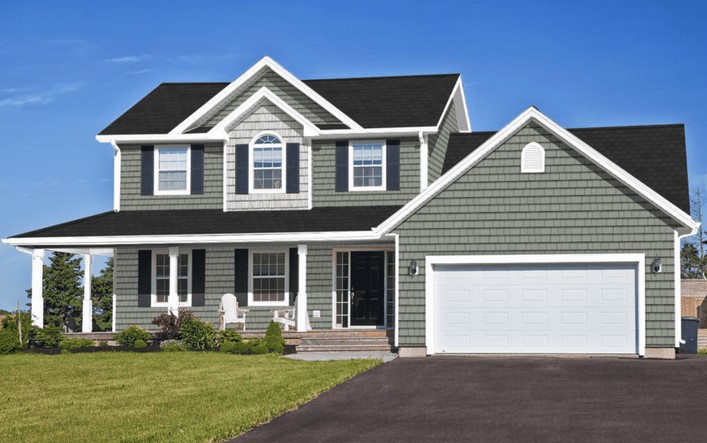
Source:https://www.renoworks.com
When it comes to improving your home’s energy efficiency, many people focus on upgrading appliances, windows, and insulation. However, one often-overlooked element of energy conservation is your home’s exterior: energy-efficient siding. Not only does it enhance the aesthetic appeal of your house, but it also plays a crucial role in regulating your home’s internal temperature. By improving insulation and minimizing heat loss, energy-efficient siding can help reduce your energy bills, increase comfort, and even contribute to a greener environment. In this article, we’ll delve into the benefits of energy-efficient siding, the types available, and how it can be the smart choice for your home.
What Is Energy-Efficient Siding?
Energy-efficient siding refers to exterior materials that are designed to reduce heat loss or gain, which in turn helps maintain a consistent indoor temperature. While traditional siding materials may provide some insulation, newer, energy-efficient options are specifically engineered with technology to improve energy performance. These materials often incorporate reflective coatings, insulated backing, or unique structural designs that enhance their thermal resistance, making them far superior in energy conservation compared to conventional siding.
How It Works
Energy-efficient siding works by acting as an additional layer of insulation. It helps prevent the unwanted escape of heat in winter or the excessive heat gain during summer. This not only reduces the strain on your heating and cooling systems but also contributes to a more comfortable indoor environment. Depending on the type of material, energy-efficient siding can also help reduce noise, add extra protection from the elements, and even extend the lifespan of your home’s exterior.
For example, insulated vinyl siding combines a traditional vinyl exterior with a layer of foam insulation, offering superior energy efficiency without the need for additional insulation within the walls. Other options, such as fiber cement or engineered wood, have specific thermal properties that enhance their insulating abilities.
The Benefits of Energy-Efficient Siding
Opting for energy-efficient siding offers a wide array of benefits that go beyond just reducing energy consumption. Below, we explore some of the key advantages of investing in energy-efficient siding for your home.
1. Lower Energy Bills
One of the most immediate and noticeable benefits of installing energy-efficient siding is the reduction in your energy costs. By minimizing the amount of heat lost in winter and the amount of heat gained during summer, your HVAC system will work less to maintain a comfortable temperature. As a result, your energy consumption decreases, leading to lower monthly utility bills.
In fact, according to studies, homeowners who invest in high-quality energy-efficient siding can save up to 20% on their heating and cooling costs. The exact savings will depend on factors such as your home’s climate, the siding material used, and the insulation level of your home.
2. Improved Comfort Year-Round
Having energy-efficient siding installed helps to create a more comfortable indoor environment throughout the year. In the winter, it helps to keep the warmth inside, so you won’t experience cold drafts around windows or doors. In the summer, the siding works to keep your home cooler, reducing the need for excessive air conditioning.
The added insulation also helps to stabilize your home’s temperature, ensuring that rooms remain at a comfortable level without significant fluctuations. This consistency makes your living space more enjoyable, especially in extreme weather conditions.
3. Environmental Impact
Choosing energy-efficient siding isn’t just good for your wallet; it’s also beneficial for the environment. By reducing the energy required to heat and cool your home, you lower your carbon footprint. This is particularly true if your home uses fossil fuels for heating or cooling. With energy-efficient siding, your reliance on energy sources like gas or electricity decreases, resulting in fewer emissions and a more sustainable living space.
In addition, many energy-efficient siding materials are made from eco-friendly materials. For example, fiber cement and recycled wood options contribute to reducing waste and conserving resources.
4. Increased Home Value
Upgrading your home’s siding to an energy-efficient option can significantly increase its market value. Prospective buyers are often willing to pay more for homes that have energy-saving features, as these homes promise lower utility costs and a more comfortable living environment. According to the National Association of Realtors, homes with energy-efficient improvements, such as insulated siding, often have higher resale values and can sell faster than those without these upgrades.
Moreover, adding energy-efficient siding can improve the curb appeal of your home, giving it a fresh and modern look. With a wide range of materials and styles available, you can choose siding that complements your home’s architecture while also improving its energy performance.
Types of Energy-Efficient Siding
There are several types of energy-efficient siding available on the market, each offering different benefits. When choosing the right siding for your home, it’s essential to consider factors like your climate, budget, and desired aesthetics. Here are some of the most popular energy-efficient siding materials:
1. Insulated Vinyl Siding
Insulated vinyl siding is one of the most common choices for energy-efficient siding. It combines traditional vinyl with a layer of foam insulation, providing superior thermal performance. This type of siding helps to reduce heat loss during winter and minimizes heat gain during the summer months. Additionally, insulated vinyl siding is durable, low-maintenance, and available in a variety of colors and finishes, making it a popular choice for homeowners seeking both energy efficiency and aesthetic appeal.
2. Fiber Cement Siding
Fiber cement siding is made from a mixture of cement, sand, and cellulose fibers. It is known for its durability, low-maintenance properties, and resistance to pests and fire. While fiber cement doesn’t have built-in insulation, it can be combined with foam backer boards to enhance its thermal efficiency. This material also has a dense, solid structure, which helps prevent heat transfer and provides additional protection against the elements.
3. Engineered Wood Siding
Engineered wood siding is made from compressed wood fibers and resin, giving it the appearance of traditional wood siding without the maintenance requirements. This type of siding is naturally insulating and can be paired with additional insulation to improve energy efficiency. Engineered wood offers a more sustainable option than traditional wood siding because it’s made from renewable materials and often uses recycled wood fibers.
4. Stucco Siding
Stucco is a popular choice in warmer climates because it offers natural insulation and helps keep the home cool. When applied in multiple layers, stucco creates a solid barrier that prevents heat from entering the home. Stucco is durable, low-maintenance, and weather-resistant, making it an excellent option for energy-efficient siding, especially in regions with hot temperatures.
Upgrading to energy-efficient siding is a smart investment for homeowners looking to reduce their energy consumption, increase comfort, and contribute to a more sustainable future. With its ability to lower energy bills, improve home value, and offer long-lasting durability, energy-efficient siding proves to be a valuable addition to any home. Whether you choose insulated vinyl, fiber cement, or engineered wood, these materials offer a variety of benefits that go beyond just aesthetics. By opting for energy-efficient siding, you’re making a choice that benefits both your home and the environment, while also enhancing your overall living experience.