Scaling Culinary Processing: Expanding Utility with the Meat Grinder Attachment
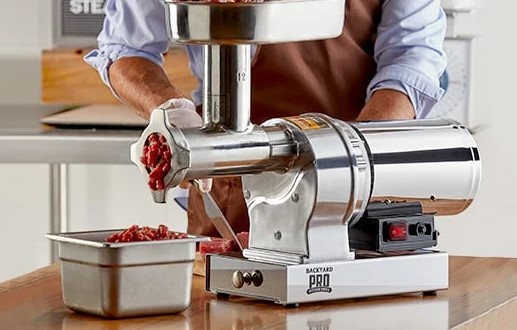
Source:https://cdnimg.webstaurantstore.com
Picture this: You just bought a premium cut of beef from the local butcher, intending to make the ultimate weekend smash burgers. You pull out your heavy-duty food processor, toss in the cubed meat, and hit pulse. In a fraction of a second, the bottom layer turns into an unappealing, pasty mush while the top layer remains completely chunky. Your premium dinner is ruined, and you are left scraping a sticky, fatty mess out of a plastic bowl.
Over my 10+ years helping homeowners optimize their culinary workspaces, I have noticed a massive shift. People no longer just want beautiful kitchens; they want high-performance, self-sustaining culinary labs. Yet, when it comes to processing protein, most home cooks rely on low-quality supermarket pre-packs or catastrophic food processor experiments.
The secret to restaurant-quality texture isn’t a standalone, bulky appliance that eats up your precious countertop real estate. It lies in unlocking the hidden potential of the heavy appliance you likely already own. Let’s do a deep dive into the mechanical genius of the meat grinder attachment and discover how it can completely scale your kitchen’s utility.
The Engineering Behind the Attachment: Why It Beats the Food Processor
To understand why a meat grinder attachment is superior, we need to look at fluid and material dynamics. A food processor relies on high-speed, spinning impact blades. It literally chops and tears food apart at thousands of Rotations Per Minute (RPM), which generates heat. That heat melts the delicate meat fats, resulting in a dense, rubbery texture.
The Power of Mechanical Extrusion
A proper grinder attachment doesn’t chop; it extrudes. Think of it like a heavy-duty conveyor system working in tandem with a guillotine.
The appliance’s motor turns a massive internal screw called an auger. This auger gently pushes the meat forward through a cylindrical housing under low speed and high torque. Because the speed is low, there is almost zero friction heat generated, keeping the fat solid and intact.
The Final Cut
At the end of the auger sits a rotating cutting blade pressed firmly against a stationary, perforated steel plate (the grinding plate). As the auger forces the meat through the holes of the plate, the blade cleanly shears the meat fibers. This mechanical precision preserves the cellular structure of the protein, giving you that fluffy, juicy texture prized by professional chefs.
Anatomy of a High-Efficiency Meat Grinder Attachment
When you start shopping for a meat grinder attachment to fit your stand mixer or power hub, you shouldn’t just grab the cheapest plastic option. You need to look at the metallurgical construction and included accessories.
+-------------------+----------------------------+------------------------------------+
| Component Material| Best Used For              | Maintenance Profile                |
+-------------------+----------------------------+------------------------------------+
| Food-Grade Plastic| Light use, occasional fruits| Dishwasher safe, prone to cracking |
| / Composite       | or soft vegetables         | over time under high torque        |
+-------------------+----------------------------+------------------------------------+
| Die-Cast Aluminum | Regular home use, general  | Lightweight, efficient heat transfer|
|                   | meat processing            | **Hand-wash only**                 |
+-------------------+----------------------------+------------------------------------+
| Stainless Steel   | Heavy-duty processing,     | Industrial durability, dishwasher  |
|                   | frequent use, bone-grinding| safe, highly hygienic              |
+-------------------+----------------------------+------------------------------------+
The Importance of Plate Sizes
A versatile meat grinder attachment package should include at least two or three interchangeable stainless steel grinding plates. These plates dictate the coarse profile of your final product:
-
Coarse Plate (approx. 8mm): Ideal for chili meats, chorizos, and traditional burger blends where you want distinct, chunky pockets of fat and lean meat.
-
Medium Plate (approx. 4.5mm): The versatile workhorse. Perfect for Italian sausages, meatloaves, and classic meatballs.
-
Fine Plate (approx. 3mm): Used for fine-textured items like breakfast sausage patties, bologna, spreads, or even processing hard cheeses and breadcrumbs.
Step-by-Step Guide: Operating Your Attachment Like a Pro
If you want to scale your culinary processing without jamming your machine or causing a massive mess, you must follow a strict operational protocol. Over the years, I’ve developed a foolproof workflow for flawlessly executing a grind.
Step 1: The Golden Rule of Extreme Chill
If you take only one piece of advice from this article, let it be this: Everything must be freezing cold.
Pro Tip: An hour before you intend to grind, place your entire meat grinder attachment (the housing, auger, blade, and plates) directly into the freezer. Cut your meat into uniform 1-inch cubes, spread them out on a baking sheet, and pop them into the freezer for 20 to 30 minutes until they are firm but not rock-hard.
When fat gets warm, it becomes soft and slippery. Instead of cutting cleanly, it will smear across the grinding plate, clogging the holes and backing up the machine. Keeping everything ice-cold ensures the blade cuts through the fat like a razor.
Step 2: Feed the Feed Tube Correctly
Turn your appliance power hub on to the manufacturer’s recommended speed setting (usually a medium-low speed with high torque). Drop your chilled meat cubes into the feed tube one by one.
Do not force, jam, or cram the meat down with excessive force. Use the included food pusher to gently guide the meat into the spinning auger. Let the mechanical design do the heavy lifting for you.
Step 3: Managing the Output
Let the processed meat drop naturally into a chilled stainless steel bowl placed beneath the grinding head. Avoid pressing or packing the ground meat down into the bowl; keeping it loose ensures the air spaces remain, giving you a superior texture when you shape your final culinary creations.
Expanding Beyond Meat: The Hidden Versatility
Don’t let the name fool you. A premium meat grinder attachment is secretly a multi-functional culinary processor capable of tackling a massive array of prep tasks.
1. Sausage Stacking and Extrusion
Most high-quality attachment kits come bundled with plastic or stainless steel sausage stuffer tubes. By removing the cutting blade and grinding plate and replacing them with a stuffing cone, your auger changes jobs. It shifts from a cutting machine to a gentle pump, perfectly filling collagen or natural casings for custom, preservative-free artisan sausages.
2. Vegetable and Grain Processing
Need to process large batches of garlic, onions, or peppers for a homemade salsa or relish? Pass them through the coarse plate of your attachment. It processes them instantly without reducing them to water or mush. You can even use it to grind soaked chickpeas for perfectly textured, authentic falafel.
Maintenance and Hidden Warnings: Preserving the Lifespan
A quality attachment can easily last a lifetime if you treat it with respect. However, there is a hidden pitfall that ruins hundreds of attachments every single year.
Never assume your metal attachment parts are dishwasher safe unless the manual explicitly states it in bold text. Most polished aluminum attachments will undergo a chemical reaction called oxidation when exposed to high-heat dishwasher detergents. They will emerge from the cycle ruined, covered in a dull, black, powdery residue that rubs off on everything it touches.
The Proper Cleaning Protocol
Always hand-wash your aluminum components in warm, soapy water using a bottle brush to clear out the inner tracks of the housing.
Once completely dried with a microfiber towel, apply a ultra-thin coat of food-grade mineral oil or cooking spray to the cutting blade and steel plates. This creates a barrier against airborne moisture, completely preventing oxidation and rust while your attachment sits in storage.
Elevate Your Kitchen Infrastructure
Upgrading your home’s culinary output doesn’t mean you need to clutter your cabinetry with standalone specialty appliances. By capitalizing on the engineering efficiency of a heavy-duty meat grinder attachment, you expand your kitchen’s utility, slash your grocery bill by purchasing primal cuts, and gain absolute control over the quality of your food.
Are you ready to take the plunge into custom burger blends and homemade sausages? What kind of culinary projects are you planning to tackle first with your setup? Let me know in the comments below, and I’ll gladly give you some expert tips on building the perfect fat-to-lean ratios!