DIY Garden Water Fountains: Add Tranquil Water Features to Your Yard
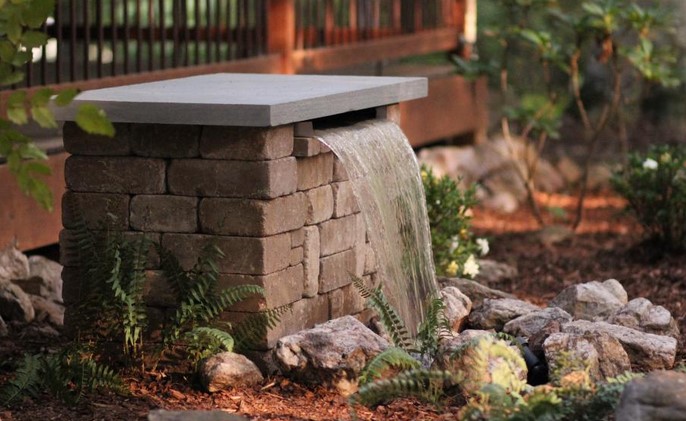
Source:https://dickersonlandscaping.com
Incorporating a water fountain into your garden is an excellent way to create a serene and calming atmosphere. The soothing sound of trickling water can enhance the ambiance of any outdoor space, transforming it into a tranquil retreat. However, purchasing a pre-made water fountain can be costly. Thankfully, you can easily craft your own DIY garden water fountains with a little creativity and effort. This article will guide you through the process of adding a custom water feature to your yard, providing not only aesthetic value but also a sense of peace and relaxation.
The Appeal of DIY Garden Water Fountains
Water features are a timeless addition to any garden, offering beauty and tranquility. A DIY garden water fountain allows you to personalize the design to fit your garden’s style and your budget. Unlike store-bought fountains, creating your own gives you the freedom to experiment with different materials, shapes, and sizes. Whether you prefer a modern, minimalist fountain or a more rustic, natural design, there are endless possibilities when it comes to crafting your own.
In addition to the visual appeal, water fountains have several practical benefits. The sound of flowing water can mask unwanted noise, making your garden feel more peaceful. Fountains also help attract wildlife such as birds and butterflies, contributing to the health of your garden ecosystem. Furthermore, the presence of water can enhance the aesthetic beauty of plants and flowers, creating a harmonious and inviting environment.
1. Materials and Tools for Building a DIY Garden Water Fountain
Before you begin your DIY project, it’s important to gather the right materials and tools. The process of building your own water fountain can range from simple to complex, depending on the design you choose. Below are the basic materials and tools you will need for most DIY garden water fountains.
A. Materials
- Water Pump: The heart of any fountain is the water pump, which circulates the water through the fountain. Choose a pump with a flow rate that matches the size of your fountain. Submersible pumps are typically the best option for garden fountains as they are easy to install and maintain.
- Container or Base: The base can be anything from a large, shallow basin to a tall, stacked arrangement of stones. The container will hold the water and support the pump. Materials like plastic, ceramic, or stone are common choices for fountain bases.
- Plumbing Tubing: Flexible tubing connects the pump to the water feature, directing the flow of water. Make sure the tubing is long enough to reach from the pump to the top of the fountain.
- Decorative Elements: These can include stones, pebbles, bricks, ceramic pots, or even sculptures. These elements will give your fountain its unique design and aesthetic appeal.
- Waterproof Sealant: If you’re using materials like wood or certain types of stone, you may need to apply a waterproof sealant to ensure the water doesn’t leak.
- Waterproof Adhesive (Optional): This can help secure stones or other decorative elements to your base if necessary.
B. Tools
- Drill: A drill is essential for making holes for the tubing and any other adjustments you need for the pump.
- Cutting Tools: Depending on the materials used, you might need saws or scissors to cut tubing or trim other elements.
- Leveling Tools: To ensure that the water flows evenly, it’s important to have a leveling tool to check the position of your fountain.
- Sealant Applicator (Optional): This tool helps you apply sealant precisely to the areas that need waterproofing.
How to Build Your Own DIY Garden Water Fountain
Creating your own water fountain can be as easy or intricate as you desire. Here’s a step-by-step guide to help you get started on building a basic DIY garden water fountain.
2. Step-by-Step Process for Building a DIY Garden Water Fountain
A. Choose the Location and Design
The first step in creating your DIY garden water fountain is to select the perfect location. Consider a spot that is visible from multiple areas of your garden and ideally has access to electricity for the pump. Make sure the ground is level and that there is sufficient space for the fountain to sit securely.
Next, decide on the design. Do you want a simple bowl-style fountain, or would you prefer something more elaborate, such as a tiered fountain or one that incorporates stones and plants? Sketch out a basic design so you can visualize how the final product will look.
B. Prepare the Base
Once you’ve selected your location and design, it’s time to prepare the base. If you are using a large ceramic pot, stone basin, or other containers, ensure they are clean and dry before proceeding. If necessary, apply waterproof sealant to the inside of the container to prevent any leakage.
If you’re creating a multi-tiered fountain, begin by stacking stones or other materials in the desired shape. Make sure the stack is stable and secure to support the weight of the fountain’s elements.
C. Install the Pump
The water pump is the centerpiece of your fountain. Submerge the pump in the base container and secure it in place with adhesive or a heavy stone. The pump’s intake should be fully submerged in water. Connect the tubing to the pump’s output, ensuring it is tightly fitted to prevent leaks.
Next, run the tubing up to the desired location for water flow. If you’re using a stone or ceramic container, you may need to drill a hole in the top or side to pass the tubing through. Once the tubing is in place, ensure the water pump is positioned to push water up through the tubing and into the decorative elements.
D. Add Decorative Elements
Now comes the fun part—adding the decorative elements! Place stones, pebbles, or other materials around the pump, hiding the tubing and giving the fountain a natural, appealing look. You can stack larger stones around the base for a more sculptural effect or create a rustic aesthetic with moss, ivy, or potted plants surrounding the water feature.
If you prefer a more modern look, you can use clean, smooth stones or even concrete features for a minimalist design. Let your creativity guide you in arranging these elements to match your vision.
E. Test the Fountain
Once you’ve assembled all the components, it’s time to test the fountain. Fill the container with water and plug in the pump. Watch the water flow, checking for any leaks or uneven flow. Adjust the pump’s output if necessary, and make sure the water circulates properly. If there are any issues with the flow or the appearance, make adjustments to the position of the pump, tubing, or decorative elements.
F. Final Touches
For added charm, consider adding plants around the fountain. Tall grasses, succulents, or flowering plants can be placed near the fountain to create a lush, inviting atmosphere. You might also want to add lighting to illuminate the fountain at night, creating a magical effect.
Incorporating DIY garden water fountains into your outdoor space can bring an unparalleled sense of calm and serenity to your home. Not only will these water features add visual appeal, but the sound of gently flowing water will create a peaceful atmosphere that you can enjoy throughout the year. By following the steps outlined above and customizing your design to suit your style, you can easily craft a water fountain that becomes the centerpiece of your garden. DIY garden water fountains are an affordable and rewarding project that adds both beauty and tranquility to your yard, turning it into a true oasis.